Who can accept a risk on behalf of the organisation?

Who can accept a risk on behalf of the organisation_Behaviour Group

Who can accept a risk on behalf of the organisation?

Accepting a risk is a management decision. Learn how authority, criteria, governance and accountability relate to risk acceptance.

⏱️ Estimated reading time: 5–6 minutes

Risk acceptance is a management decision, not simply the outcome of a technical assessment. Identifying, analysing and rating a risk does not bring the risk management process to an end. When an organisation decides to retain a particular exposure, defer treatment or accept the risk that remains after controls have been implemented, that decision must be supported by criteria, authority and evidence.

But who can accept a risk on behalf of the organisation?

The answer depends on the governance model, established responsibilities and authorities, risk criteria and the exposure concerned. Those who identify or assess a risk do not necessarily have the authority to accept it.

Training in risk management, business continuity and information security: how to choose?

Business_Continuity_Risk_Information_Security_Management_Training

Training in risk management, business continuity and information security: how to choose?

A team may need training because it is about to start implementing ISO 27001. Another may already have the system in place but need to review responsibilities and records. The course may be the same, even though the work to be carried out afterwards is different.

⏱️ Estimated reading time: 4 minutes

When choosing training in risk management, business continuity or information security, the enrolment request should specify that work. This allows business unit management and HR to assess the course programme, select participants and plan when they will apply what they have learnt.

Skills concentration risk: does your team have genuine coverage?

Skills_Concentration_Risk

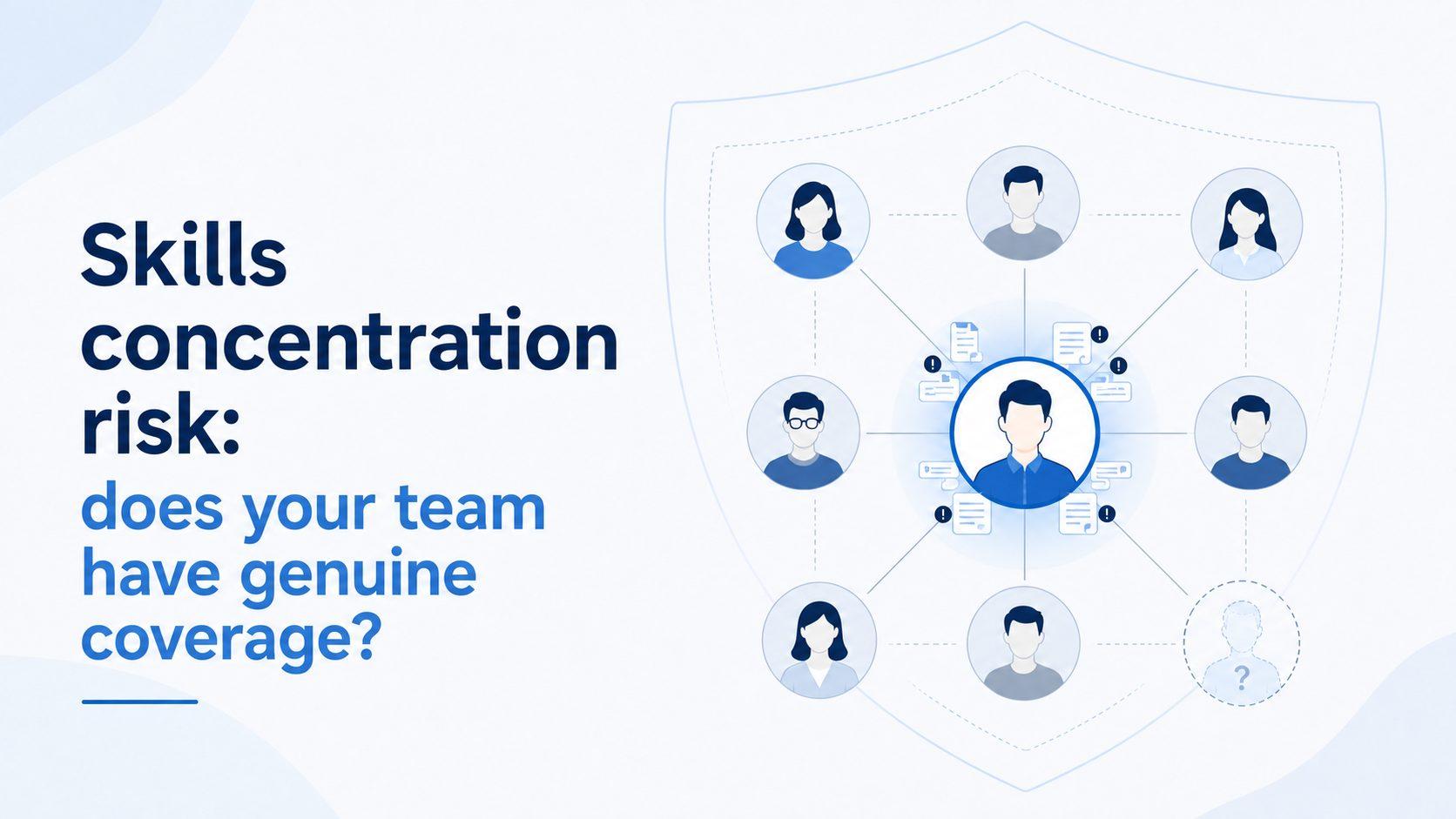
Skills concentration risk: does your team have genuine coverage?

⏱️ Estimated reading time: 7 minutes

An organisation may have several qualified professionals and still remain dependent on a single employee to interpret requirements, oversee project implementation, assess evidence, test systems or support risk decisions.

This is where skills concentration risk becomes apparent: dependence on key personnel and the concentration of knowledge, authority or operational capability in one individual whose absence or departure jeopardises timely decision-making, project delivery, audits and incident response.

How to connect project management, cybersecurity, cloud auditing and risk management?

How to Connect Project Management, Cybersecurity and Risk

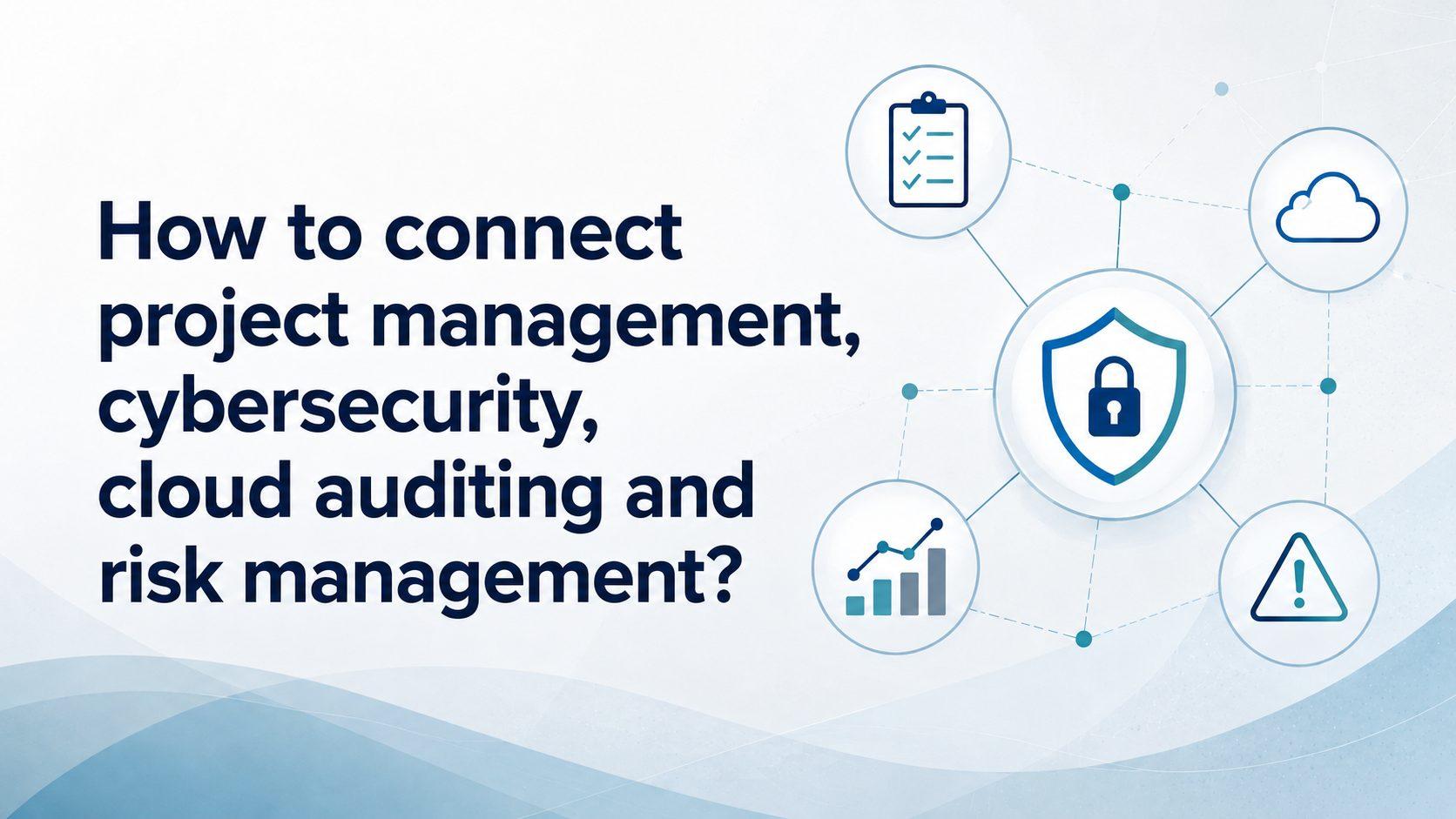
How to connect project management, cybersecurity, cloud auditing and risk management?

⏱️ Estimated reading time: 9–10 minutes

A cloud migration, the implementation of a new platform or the modernisation of a digital service may be delivered on time and within budget and still fail.

All it takes is for the change to result in excessive access privileges, unclear responsibilities, unassessed dependencies or controls without evidence. Connecting project management, cybersecurity and risk with cloud auditing requires continuity between the business decision, the technical controls and the evidence produced.

How to prepare your organisation for ISO 27001?

How to Prepare your Organisation For

How to prepare your organisation for ISO 27001?

Preparation, skills and decision-making ahead of the next course.

⏱️ Estimated reading time: 8–9 minutes

Preparing for ISO 27001 in Portugal becomes urgent when external or internal demands arise. The main factors that accelerate this process include requests from clients for evidence, specific requirements in commercial proposals, upcoming audits, or management’s need to assess risk exposure. In these urgent situations, the scope, allocation of responsibilities, selection of controls and validation of skills tend to be decided under considerable pressure.